
Sustainable Weight Loss: A Guide with Expert Support
If you want to lose weight in a way you can sustain for years, the key isn't another "magic" diet. It's a system: understanding energy balance, staying consistent, and having a plan that adapts to you, not the other way around. In this guide, we walk through what a sustainable approach actually means, and why expert support often speeds up results without an extreme regimen.
Why extreme calorie restriction usually fails
Aggressively cutting your intake can bring a fast drop on the scale, but also fatigue, loss of strength, and cravings that later lead to overeating. Your body adapts: energy expenditure drops, sleep gets worse, motivation to train fades. That's why most people regain the weight after a restrictive period, sometimes with extra on top.
A sustainable approach starts from a moderate calorie deficit you can maintain for weeks, with enough protein, vegetables, and structure around your training. The goal isn't "as fast as possible." It's about staying consistent.
The three pillars of sustainable weight loss
- Training focused on strength and daily movement. Higher activity helps energy expenditure, and strength training protects muscle mass while fat stores decrease.
- Nutrition you can actually practice. A plan that bans entire food groups or keeps you constantly hungry is rarely a lasting option.
- Tracking and adjustments. Energy, schedule, stress, and health change week to week. A fixed, generic program doesn't reflect that.

A generic algorithm or a real expert
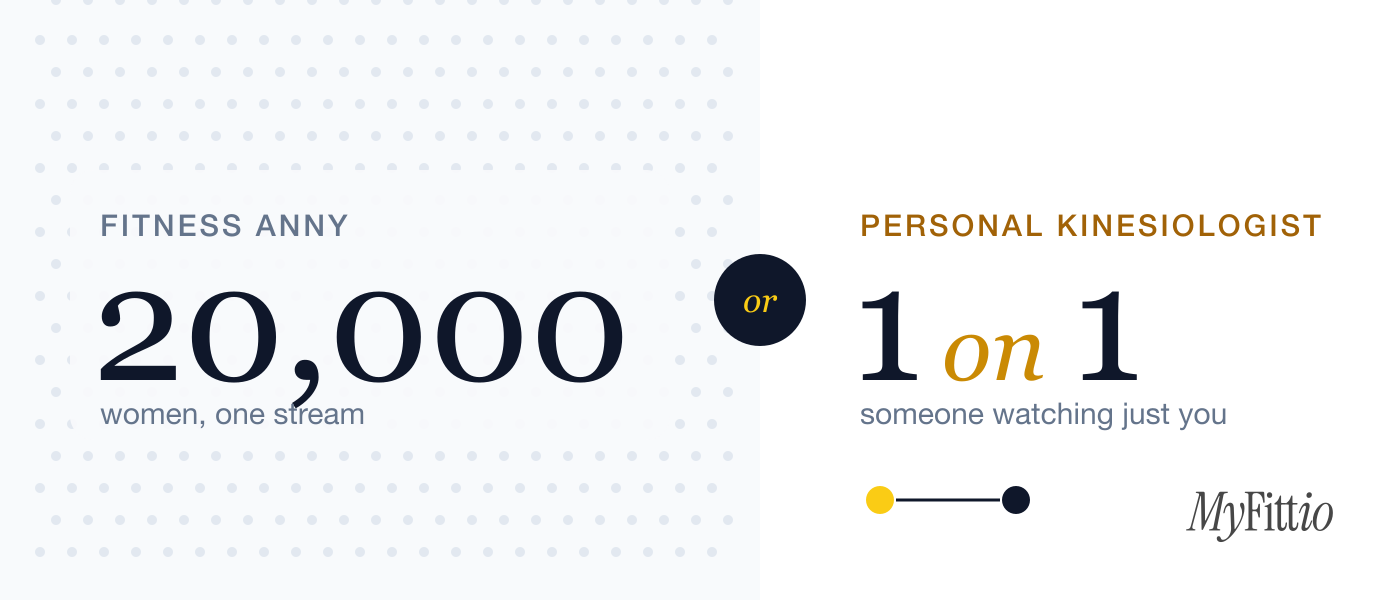
Apps can hand you a template, but they can't see how you actually move, don't catch movement compensations, and don't know your injury history. The comparison table on our MyFittio vs. fitness apps page shows exactly where the algorithm breaks down (personalization, form control, accountability). For a deeper read from the perspective of a specific life stage, see also online coach or fitness app for pregnancy; the message about human oversight holds more broadly too.
For sustainable weight loss specifically, a kinesiologist or coach helps you choose exercises you can perform with good quality, progression that doesn't burn out your motivation, and an intensity that matches your current shape.

Nutrition, energy, and the cheat meal
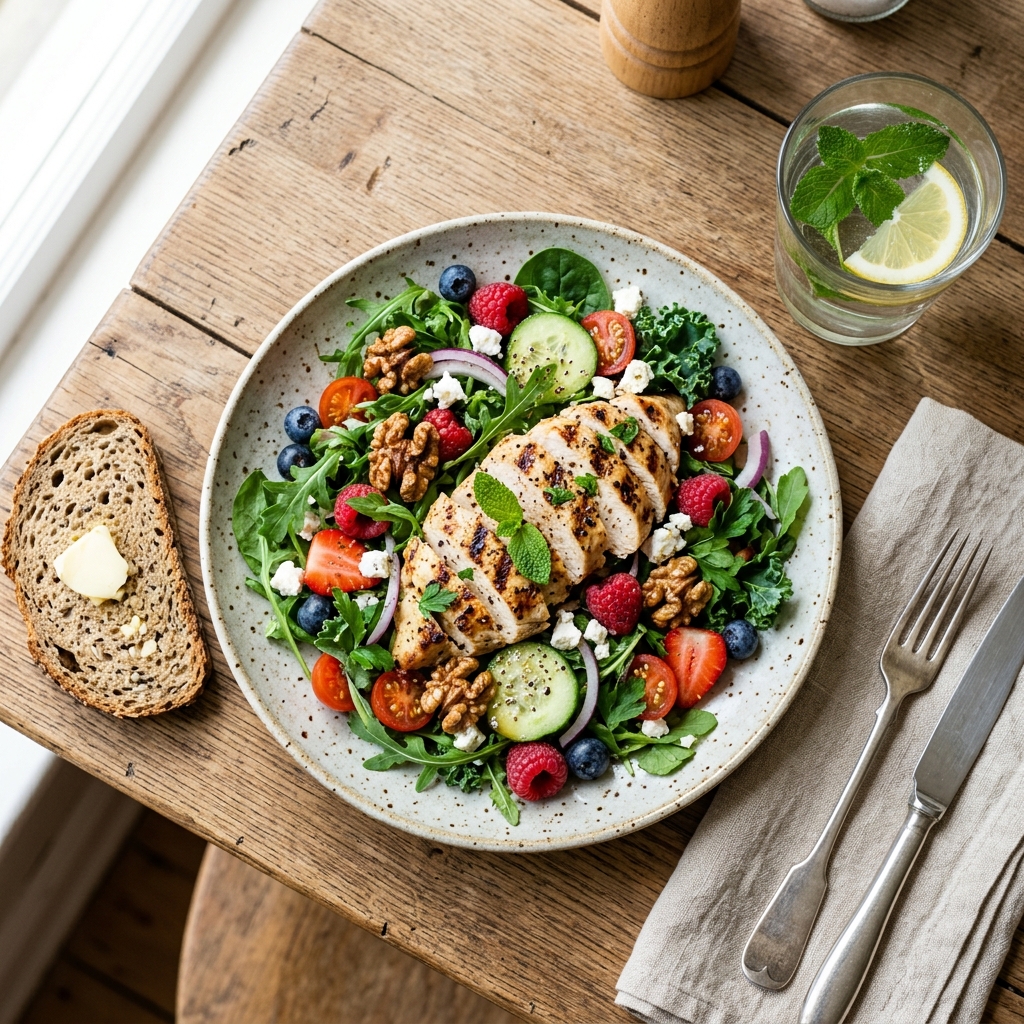
A balanced intake with an emphasis on protein and fiber is often a sufficient foundation. Restriction that cuts out social meals or your favorite foods increases the long-term risk of "breaking" the regimen.
That's why many plans include a controlled cheat meal: one meal where you eat what you like, agreed on in advance, without guilt and without turning into all-day overeating. Rather than an excuse for chaos in your diet, it's a psychological reset that helps consistency. The rest of the week stays aligned with your goal.
Note: This text is not a medical diagnosis or a treatment instruction. If you have an illness, take medication, or are pregnant, always consult your doctor before making major changes to your diet and activity.
If you're just starting out with training
You don't need perfection from day one. What matters more is starting safely and building the habit. Our guide for absolute beginners covers goals, types of activity, and common mistakes, as a bridge toward more structured work with a coach.
When progress on the scale stalls
A plateau is normal: your body adapts, and life stress and sleep affect the result. Before drastically cutting calories, it's worth checking your actual intake, recovery, and training load. For a quick assessment of a weight-loss stall, you can also try our free fat-loss plateau tool.
Frequently asked questions
How fast is it realistic to lose fat? A common range for sustainable change is often on the order of half a kilogram to a kilogram per week, depending on your starting point and experience, with an emphasis on strength and nutrition quality, not just the number on the scale.
Does there have to be a cheat meal? No. It's an option for people whose motivation suffers long-term under strict food bans. What matters is that your total weekly intake stays aligned with your goal.
Is cardio necessary for weight loss? Not as a rule. You can achieve an energy deficit through nutrition and strength training; cardio helps health and expenditure, but it isn't the only path.
When should you bring in a professional? When you want a plan tailored to you, safer progression, and clearer communication than a generic program gives you.
Fill out the MyFittio questionnaire so we can assess your starting point and match you with a coach who builds a sustainable plan with 1-on-1 support.
MyFittio Team
NEPPE Certified Kinesiologists
Expert team of kinesiologists specialized in prenatal and postnatal programs, and body transformations. Our mission is to provide safe, science-backed support through every step of your health journey.
Your body is more complex than any calculator
A certified kinesiologist analyzes your unique situation and builds a program that actually works for your body type, lifestyle, and goals.
30-day money-back guarantee
You might also like
Pregnant, postpartum, diastasis or back pain: why most online programs do not want you, and what to do instead

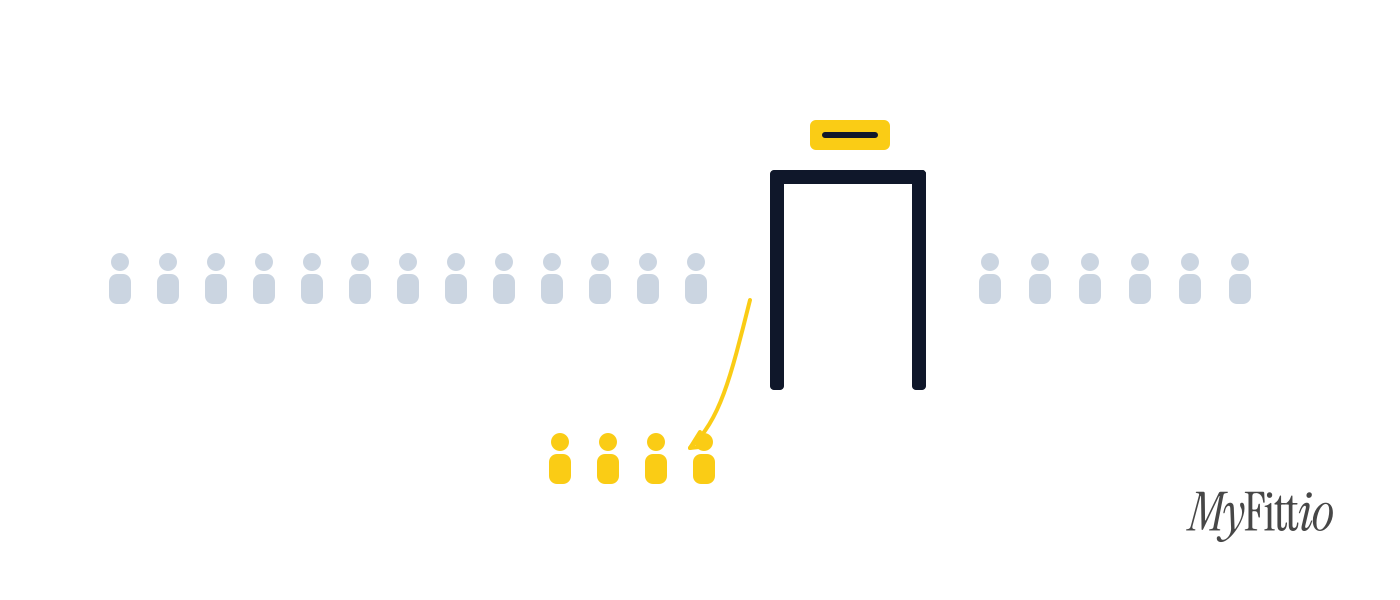
There are 300 women on the stream. One of them is doing crunches with diastasis recti, and nobody knows.